







- Site Navigation -
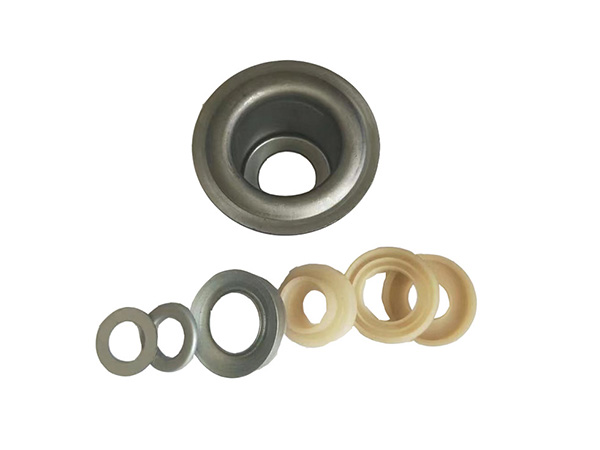
What Is a Stamped Bearing? Benefits Explained
Author:yuexing Date:2026-04-04 20:04:43 Hits:151
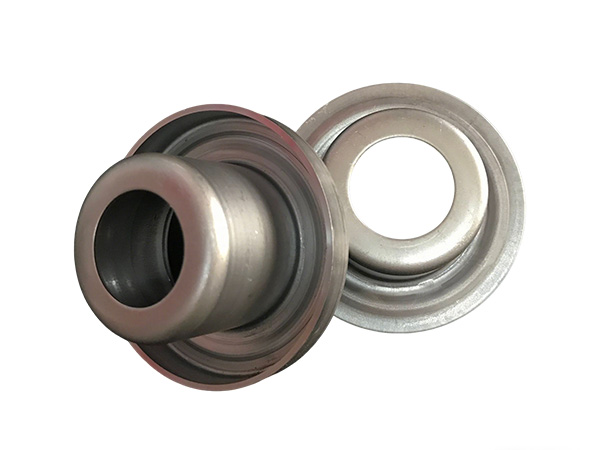
What Is a Stamped Bearing? Benefits Explained
In today’s competitive industrial environment, manufacturers are constantly seeking components that balance performance, durability, and cost. The Stamped Bearing has emerged as a practical solution that meets all these demands. With its lightweight construction and efficient manufacturing process, it is widely used in automotive systems, appliances, and industrial machinery.
This article explores what a stamped bearing is, how it functions, and why it has become a preferred choice—especially when sourced from an experienced manufacturer with strong production supply capabilities.
What Is a Stamped Bearing?
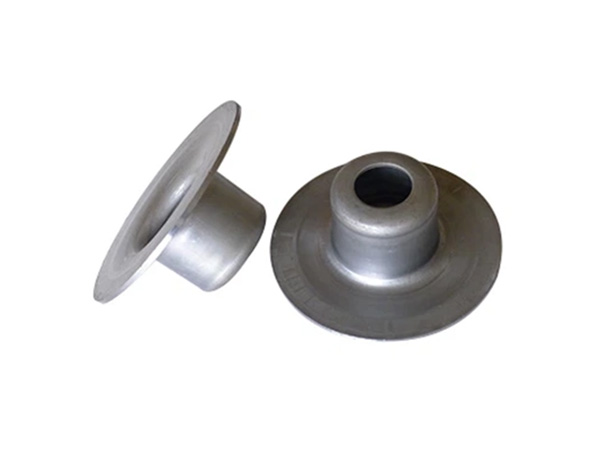
A Stamped Bearing is a type of rolling bearing produced using a metal stamping process. Instead of machining solid steel rings, manufacturers press sheet metal into precise shapes using high-speed stamping equipment.
This approach significantly reduces material usage and production time while maintaining reliable performance. Stamped bearings are typically designed for applications that require moderate load capacity and smooth rotational movement.
They are commonly used in:
·Automotive assemblies such as seat tracks and steering components
·Electric motors and small machinery
·Office equipment like printers and copiers
·Household appliances including fans and washing machines
How Does a Stamped Bearing Work?
A Stamped Bearing operates using the same fundamental principle as traditional bearings: reducing friction between moving parts. It contains rolling elements—such as balls or rollers—that rotate between inner and outer rings.
The stamped outer ring holds the structure together while enabling smooth motion. Thanks to modern manufacturing precision, stamped bearings can deliver consistent performance even in high-speed environments.
Key Benefits of Stamped Bearings
Cost-Effective Manufacturing
One of the most attractive features of a Stamped Bearing is its low production cost. The stamping process allows manufacturers to produce large quantities quickly, reducing labor and material expenses.
This makes stamped bearings especially suitable for industries that require high-volume components at competitive prices.
Lightweight Construction
Stamped bearings are made from thin sheet metal, making them significantly lighter than traditional machined bearings. This weight reduction is crucial in applications like automotive systems, where efficiency and fuel economy are important.
A lighter component also contributes to smoother operation and reduced energy consumption.
High Production Efficiency
Stamped bearings are ideal for mass production. Advanced stamping technology ensures consistent quality across large batches, making them a reliable option for businesses that depend on stable supply chains.
Choosing a professional Manufacturer with strong Production supply capability ensures timely delivery and consistent product standards.
Compact Design
Another advantage of a Stamped Bearing is its compact structure. Its thinner profile allows engineers to design smaller, more efficient systems without sacrificing functionality.
This makes stamped bearings particularly valuable in compact devices and space-limited applications.
Reliable and Consistent Performance
Despite being lightweight and cost-effective, stamped bearings offer dependable performance. Improvements in material quality and surface treatment technologies have enhanced their durability and resistance to wear.
When produced by an experienced manufacturer, stamped bearings can meet strict industry requirements and deliver long service life.
Applications of Stamped Bearings
The flexibility of Stamped Bearing design allows it to be used across a wide range of industries. In the automotive sector, it is commonly applied in seat adjustment systems and steering mechanisms. In consumer electronics, it supports the operation of printers and small motors.
Home appliances also rely heavily on stamped bearings, especially in products like fans and washing machines. Additionally, light industrial equipment such as conveyors and pumps benefit from their cost-efficiency and reliability.
Stamped Bearing vs. Traditional Machined Bearing
While both types of bearings serve similar functions, their manufacturing processes and application focus differ significantly. Stamped bearings are produced using sheet metal forming, making them lighter and more affordable. In contrast, machined bearings are made from solid materials, offering higher load capacity but at a higher cost.
Stamped bearings are best suited for high-volume, light to medium-duty applications, while machined bearings are typically used in heavy-duty environments where strength is the primary concern.
Choosing the Right Stamped Bearing Manufacturer
Selecting the right supplier is essential for ensuring product quality and consistency. A reliable manufacturer should have advanced stamping equipment, strict quality control systems, and the ability to handle large-scale production.
It is also important to work with a supplier that can provide customized solutions based on specific application requirements. This ensures that the stamped bearing performs optimally in its intended environment.
Conclusion
The Stamped Bearing has become a key component in modern manufacturing due to its cost efficiency, lightweight design, and reliable performance. Its suitability for mass production makes it an ideal choice for industries that require large quantities without compromising quality.
By sourcing from a trusted Manufacturer with stable Production supply, businesses can ensure consistent performance, reduced costs, and a dependable supply chain. As demand for efficient and scalable solutions continues to grow, stamped bearings will remain an essential part of industrial design and innovation.
References
GB/T 7714:Hamrock B J, Schmid S R, Jacobson B O. Fundamentals of fluid film lubrication[M]. CRC press, 2004.
MLA:Hamrock, Bernard J., Steven R. Schmid, and Bo O. Jacobson. Fundamentals of fluid film lubrication. CRC press, 2004.
APA:Hamrock, B. J., Schmid, S. R., & Jacobson, B. O. (2004). Fundamentals of fluid film lubrication. CRC press.

Contact Us
Tel:8615031765579
WhatsApp:+8615031765579
E-mail:905675277@qq.com
Add:Likou Village, Chenzhuang Town, Xian County, Hebei Province, China
Url:https://www.yxidlerrollers.com