







- Site Navigation -
What Is a Conveyor Idler and How Does It Work?
Author:yuexing Date:2026-03-29 17:24:54 Hits:190
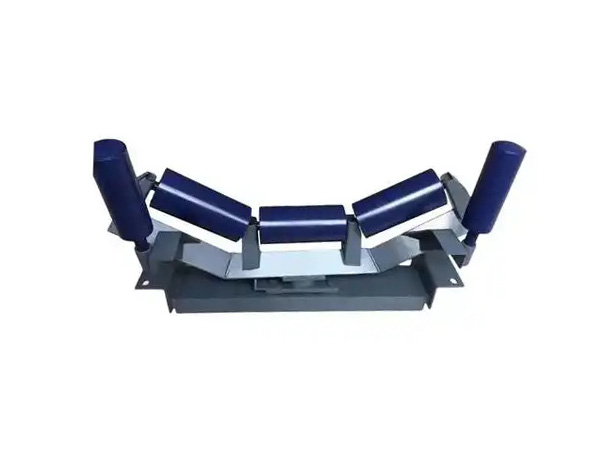
Conveyor Idler: What Is a Conveyor Idler and How Does It Work?
In modern industrial material handling systems, the conveyor idler plays a crucial role in ensuring smooth, efficient, and reliable operation. Whether in mining, construction, logistics, or bulk material transport, conveyor idlers are fundamental components that support conveyor belts and reduce friction during movement.
From a manufacturer and bulk production perspective, understanding conveyor idlers is essential not only for system design but also for ensuring durability, cost efficiency, and long-term performance. This guide explains what a conveyor idler is, how it works, and why it matters in industrial applications.
What Is a Conveyor Idler?
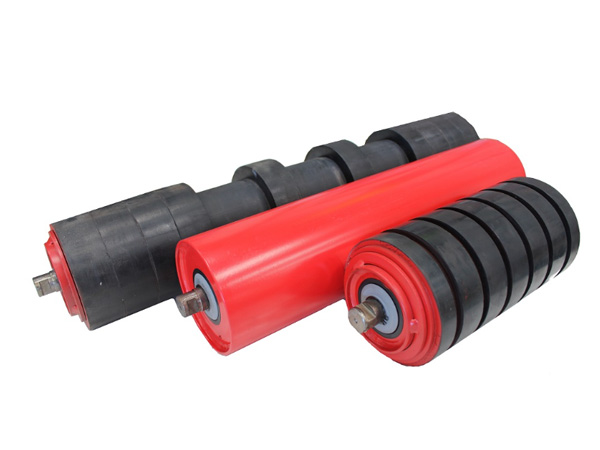
A conveyor idler is a cylindrical roller component used to support and guide a conveyor belt. Unlike powered pulleys, idlers are non-driven, meaning they rotate freely as the belt moves over them.
Their main function is to:
·Support the weight of the conveyor belt and materials
·Maintain belt alignment
·Reduce resistance and wear
·Improve overall system efficiency
In large-scale manufacturing and production environments, conveyor idlers are typically produced in bulk to meet the high demand of continuous operation systems.
How Does a Conveyor Idler Work?
The working principle of a conveyor idler is relatively straightforward but highly effective.
When the conveyor belt moves, it passes over a series of idlers. These idlers rotate due to the friction between the belt and their surface. This rotation helps minimize sliding friction, allowing the belt to move smoothly with less energy consumption.
Key Working Mechanism:
1.Belt Movement InitiationA motor drives the conveyor system, causing the belt to move.
2.Idler RotationAs the belt moves, it turns the idlers through contact.
3.Load SupportIdlers evenly distribute the load of transported materials.
4.Friction ReductionRolling motion reduces wear compared to sliding surfaces.
This simple yet efficient mechanism is why conveyor idlers are widely used in high-volume industrial production systems.
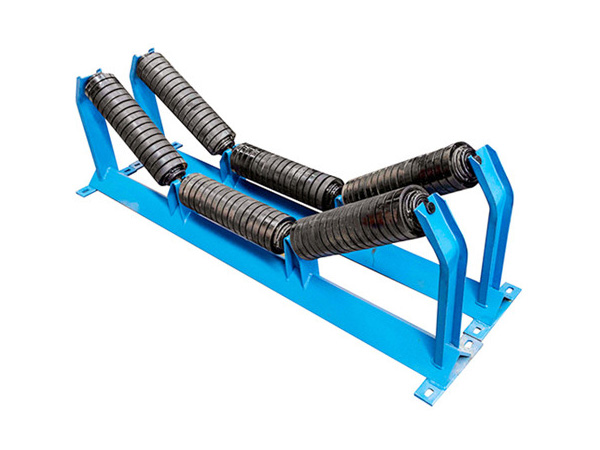
Types of Conveyor Idlers
Different applications require different types of conveyor idlers. Manufacturers typically offer a variety of designs for bulk supply.
1. Carrying Idlers
These are the most common type, used to support the loaded side of the conveyor belt.
2. Return Idlers
Installed on the return side, they support the empty belt as it travels back.
3. Impact Idlers
Designed with rubber rings, these absorb shock at loading points to protect the belt.
4. Troughing Idlers
Arranged in a trough shape, they help carry bulk materials by forming the belt into a concave profile.
5. Self-Aligning Idlers
These automatically adjust to keep the belt centered, reducing misalignment issues.
From a production and manufacturing standpoint, these idlers are often customizable depending on load capacity, environment, and operational requirements.
Key Components of a Conveyor Idler
A conveyor idler is composed of several important parts:
·Shell (Roller Body): The outer cylinder that contacts the belt
·Shaft: Provides structural support
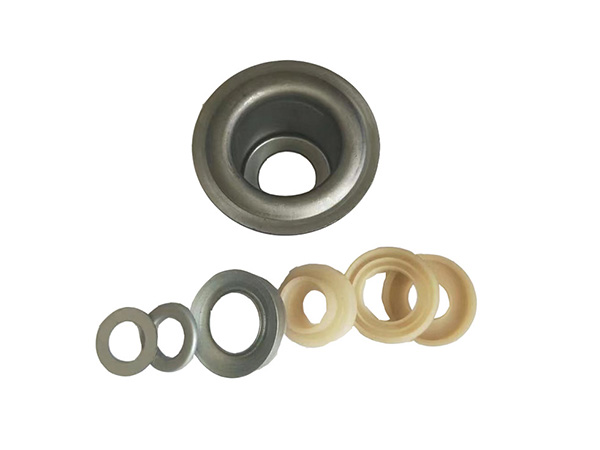
·Bearings: Enable smooth rotation
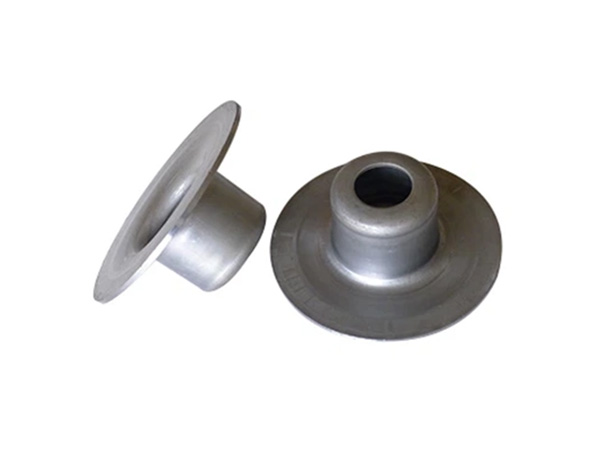
·Seals: Protect against dust, water, and contaminants
High-quality manufacturer-grade production ensures these components are precisely engineered for durability and long service life.
Why Conveyor Idlers Are Important
In industrial conveyor systems, idlers are more than just supporting components—they directly affect system performance.
Benefits Include:
·Reduced Energy ConsumptionSmooth rotation lowers power requirements
·Extended Belt LifeProper support minimizes wear and tear
·Improved EfficiencyConsistent movement enhances productivity
·Lower Maintenance CostsHigh-quality idlers reduce downtime
For industries relying on continuous bulk material handling, choosing the right conveyor idler manufacturer is critical.
Manufacturing and Bulk Production Considerations
When sourcing conveyor idlers, especially in large quantities, several factors must be considered:
1. Material Selection
High-grade steel, HDPE, or composite materials are commonly used depending on the application.
2. Precision Engineering
Accurate balancing and machining ensure smooth rotation and minimal vibration.
3. Quality Control
Reliable manufacturers implement strict inspection processes during production.
4. Bulk Supply Capability
A professional conveyor idler manufacturer should be able to handle large-scale orders with consistent quality and timely delivery.
5. Customization Options
Different industries may require specific sizes, coatings, or sealing systems.
Common Applications of Conveyor Idlers
Conveyor idlers are widely used across multiple industries:
·Mining and quarrying
·Cement plants
·Power generation
·Ports and shipping terminals
·Logistics and warehousing
In these sectors, mass production and reliable supply chains are essential, making manufacturer capability a key decision factor.
How to Choose the Right Conveyor Idler
Selecting the appropriate conveyor idler involves evaluating:
·Load capacity
·Belt width and speed
·Environmental conditions (dust, moisture, temperature)
·Maintenance requirements
Working directly with an experienced manufacturer with strong production capacity ensures you receive products tailored to your operational needs.
Conclusion
The conveyor idler is a fundamental component that ensures the efficiency and reliability of conveyor systems. By supporting the belt, reducing friction, and maintaining alignment, it plays a vital role in modern industrial operations.
From a manufacturer and bulk production perspective, high-quality conveyor idlers are essential for achieving long-term performance and cost efficiency. Whether you are designing a new system or upgrading an existing one, choosing the right conveyor idler supplier can significantly impact your overall productivity.
If your business depends on continuous material handling, investing in durable, precision-engineered conveyor idlers from a trusted production-focused manufacturer is a smart and strategic decision.
References
GB/T 7714:McGlinchey D. Bulk solids handling: equipment selection and operation[M]. Blackwell Publishing Ltd, 2008.
MLA:McGlinchey, Don. Bulk solids handling: equipment selection and operation. Blackwell Publishing Ltd, 2008.
APA:McGlinchey, D. (2008). Bulk solids handling: equipment selection and operation. Blackwell Publishing Ltd.

Contact Us
Tel:8615031765579
WhatsApp:+8615031765579
E-mail:905675277@qq.com
Add:Likou Village, Chenzhuang Town, Xian County, Hebei Province, China
Url:https://www.yxidlerrollers.com