







- Site Navigation -
Stamped Bearing vs Cast Bearing Housing: Key Differences and Applications
Author:yuexing Date:2026-04-17 16:53:43 Hits:193
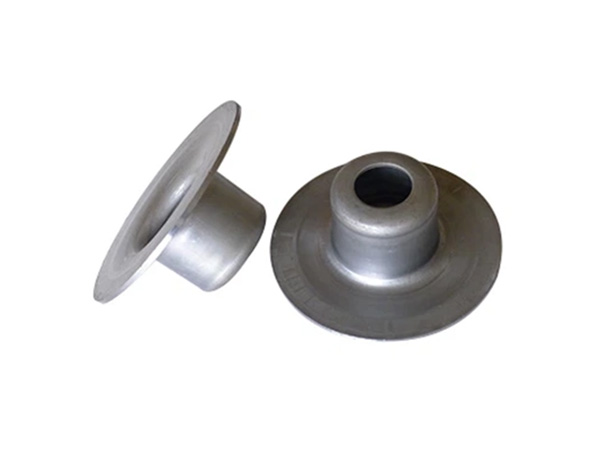
Introduction to Bearing Housing
A Bearing Housing provides support, alignment, and protection for rotating shafts. Proper selection affects machinery reliability, vibration reduction, and maintenance intervals. Engineers often choose between stamped and cast bearing housing depending on load requirements and operational conditions.
Stamped Bearing Housing Characteristics
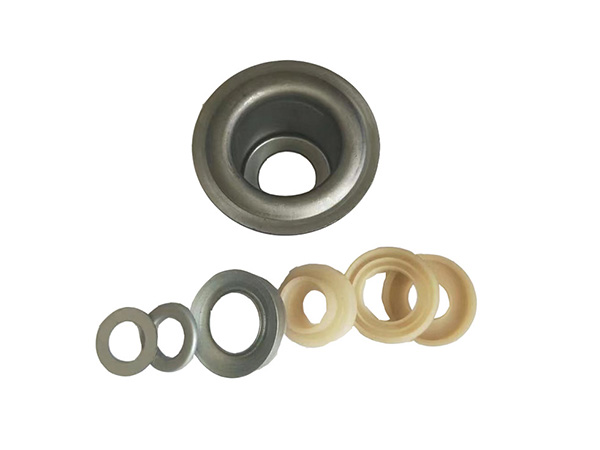
Stamped bearing housings are made from sheet metal, offering lightweight construction and cost-effective manufacturing. They are suitable for moderate loads and environments with minimal vibration. Precision stamping ensures consistent dimensions and reliable fit for standard bearings.
Cast Bearing Housing Characteristics
Cast bearing housings are molded from metals like cast iron or aluminum. They provide superior strength, vibration damping, and durability under heavy loads. Cast housings accommodate larger bearings and are ideal for industrial conveyors, motors, and heavy machinery.
Performance Comparison
Stamped housings excel in low-to-medium load applications and compact designs. Cast housings are robust, handle higher torque, and resist deformation under stress. Understanding Bearing Housing performance is critical for long-term system reliability.
Selection Criteria for Industrial Applications
Choosing between stamped and cast housings requires analyzing load, speed, environmental factors, and maintenance access. Engineers should balance cost, performance, and durability to select the most effective bearing housing type for their system.
Conclusion
Understanding the distinctions between stamped and cast Bearing Housing ensures optimal machinery performance. Proper selection enhances lifespan, reduces downtime, and maintains operational efficiency.
References
P. Singh, Bearing Housing Design in Industrial Machinery, Journal of Mechanical Systems, 2019.
L. Wang, Performance Analysis of Cast vs Stamped Bearing Housings, Materials Engineering Review, 2020.
T. Brown, Industrial Applications of Bearing Housings, International Journal of Mechanical Design, 2018.

Contact Us
Tel:8615031765579
WhatsApp:+8615031765579
E-mail:905675277@qq.com
Add:Likou Village, Chenzhuang Town, Xian County, Hebei Province, China
Url:https://www.yxidlerrollers.com