







- Site Navigation -
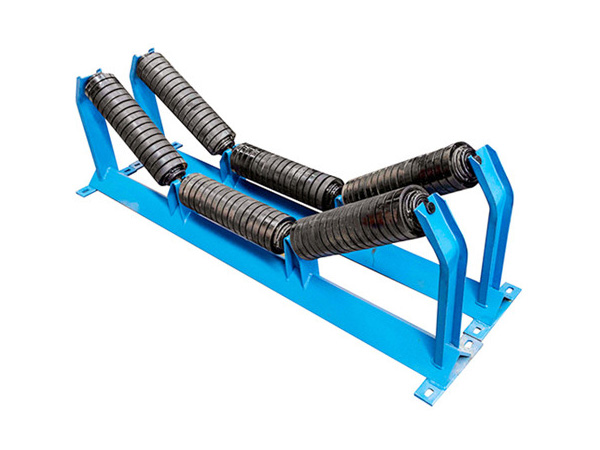
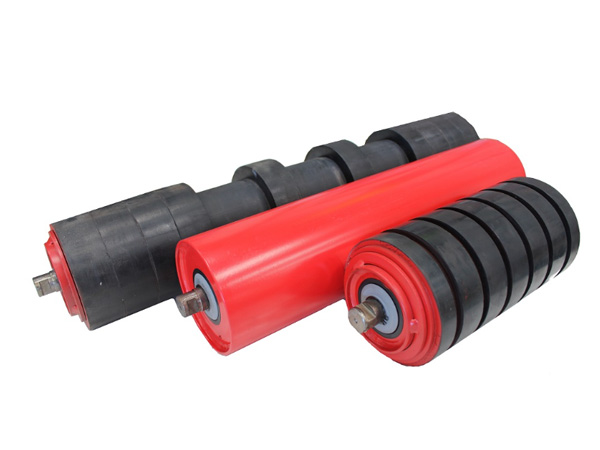
Polyurethane Buffer Rollers vs Rubber Comparison Guide for Conveyor Systems
Author:yuexing Date:2026-05-25 22:17:45 Hits:56
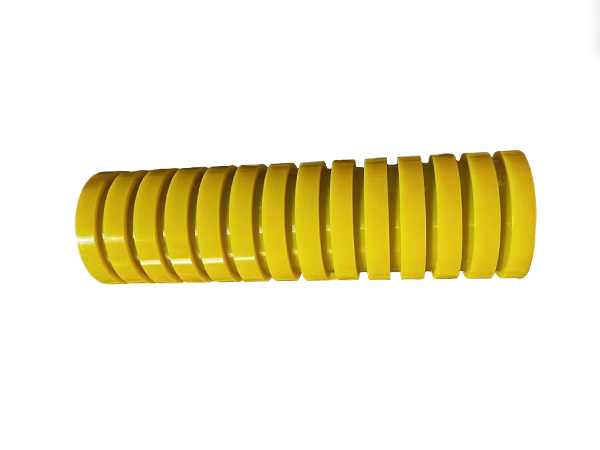
Polyurethane Buffer Rollers vs Rubber Comparison Guide
Polyurethane buffer rollers are increasingly used in modern conveyor systems due to their superior wear resistance and long service life compared to traditional rubber alternatives.
Material Overview
Polyurethane offers higher tensile strength and abrasion resistance, while rubber provides better elasticity and softer impact absorption.
Wear Resistance Comparison
Polyurethane significantly outperforms rubber in abrasive environments such as mining and mineral processing.
Impact Absorption Performance
Rubber performs better in high-impact cushioning, while polyurethane offers controlled rigidity with moderate absorption.
Environmental Resistance
Polyurethane is more resistant to oils, chemicals, and moisture degradation compared to rubber.
Noise and Vibration Control
Rubber provides better vibration damping, making it suitable for noise-sensitive environments.
Cost and Lifecycle Analysis
Although polyurethane has higher initial cost, its extended lifespan often results in lower total lifecycle cost.
Industrial Selection Criteria
Selection depends on:
Load intensity
Impact frequency
Environmental exposure
Maintenance capability
Engineering Recommendations
Hybrid systems combining both materials are often used in high-performance conveyor systems.
Conclusion
Choosing between polyurethane buffer rollers and rubber depends on operational requirements, balancing durability, cost, and impact performance.
References
CEMA Conveyor Standards
Roberts, A.W., Bulk Material Handling Research
Granular Flow Engineering Journal (Elsevier)
Industrial Polymer Engineering Studies

Contact Us
Tel:8615031765579
WhatsApp:+8615031765579
E-mail:905675277@qq.com
Add:Likou Village, Chenzhuang Town, Xian County, Hebei Province, China
Url:https://www.yxidlerrollers.com