






- Site Navigation -
Idler roller functions in conveyor systems explained
Author:yuexing Date:2026-04-30 10:12:14 Hits:132
Idler roller functions in conveyor systems explained
Idler roller functions in conveyor systems explained begin with understanding how idler roller components contribute to the stability, efficiency, and durability of modern conveyor systems.
What is an idler roller
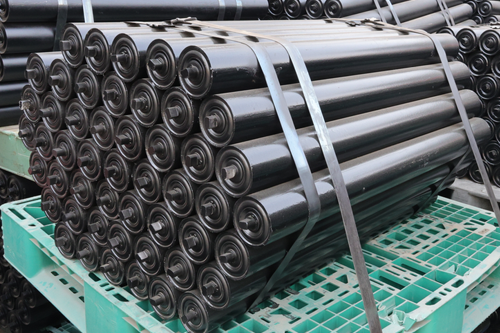
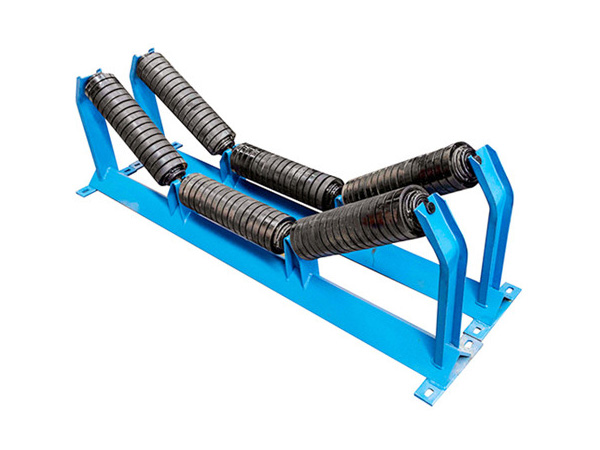
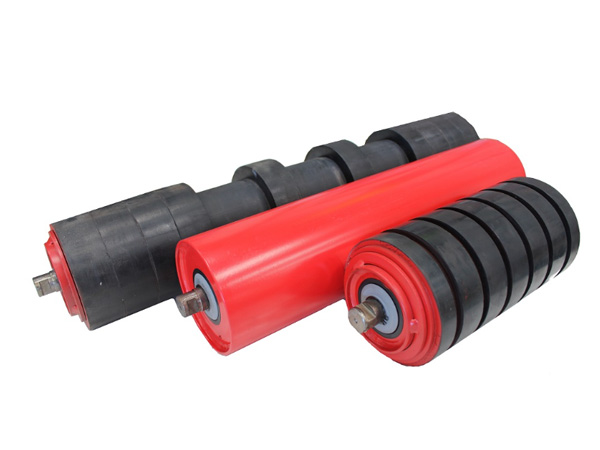
An idler roller is a cylindrical rotating component installed along the conveyor frame to support and guide the conveyor belt.
Unlike drive rollers, idler rollers do not generate motion but enable smooth belt operation by minimizing resistance.
Load support and distribution
One of the primary functions of an idler roller is to support the weight of both the conveyor belt and the transported materials.
By evenly distributing loads across multiple rollers, the system avoids excessive stress on any single point, reducing structural fatigue and preventing belt deformation.
Reduction of friction and energy consumption
Idler rollers are equipped with precision bearings that allow free rotation.
This reduces friction between the belt and the supporting structure, which directly lowers energy consumption and improves overall system efficiency, especially in long-distance conveyors.
Belt alignment and tracking
Maintaining proper belt alignment is critical in conveyor operations.
Idler rollers help guide the belt along its intended path and reduce the risk of deviation. Poor alignment can lead to uneven wear, material spillage, and unexpected downtime.
Impact absorption in loading zones
In areas where materials are loaded onto the conveyor, specialized idler rollers are used to absorb shock.
These rollers, often combined with rubber or polyurethane coatings, protect the belt from damage caused by heavy or abrasive materials.
Contribution to system stability
A well-designed idler roller system ensures smooth and stable belt movement.
Stable operation reduces vibration, which is particularly important in high-speed or heavy-duty conveyor systems.
Role in extending equipment lifespan
By reducing friction, absorbing impact, and maintaining alignment, idler rollers significantly extend the lifespan of conveyor belts and other components.
This leads to lower maintenance costs and improved operational reliability.
Material selection and design considerations
Idler rollers are typically manufactured from steel, stainless steel, or coated materials depending on the environment.
In corrosive or high-moisture conditions, galvanized or coated rollers are preferred for durability.
Industrial applications
Idler rollers are widely used in industries such as mining, cement production, power generation, and logistics.
These sectors rely on continuous material handling systems where reliability is essential.
Maintenance and inspection
Regular inspection of idler rollers is necessary to detect bearing failure, misalignment, or wear.
Preventive maintenance helps avoid unexpected downtime and ensures long-term system performance.
Conclusion
Idler roller functions in conveyor systems explained demonstrate that idler roller components are essential for supporting loads, reducing energy consumption, maintaining alignment, and ensuring long-term efficiency in conveyor operations.
References
Conveyor idler system performance studies
Bulk material handling design manuals
Mechanical engineering research on rotating components
ISO standards for conveyor components

Contact Us
Tel:8615031765579
WhatsApp:+8615031765579
E-mail:905675277@qq.com
Add:Likou Village, Chenzhuang Town, Xian County, Hebei Province, China
Url:https://www.yxidlerrollers.com