







- Site Navigation -
Idler Roller Explained: Complete Beginner Guide to Conveyor Idler Rollers
Author:yuexing Date:2026-03-26 14:17:10 Hits:149
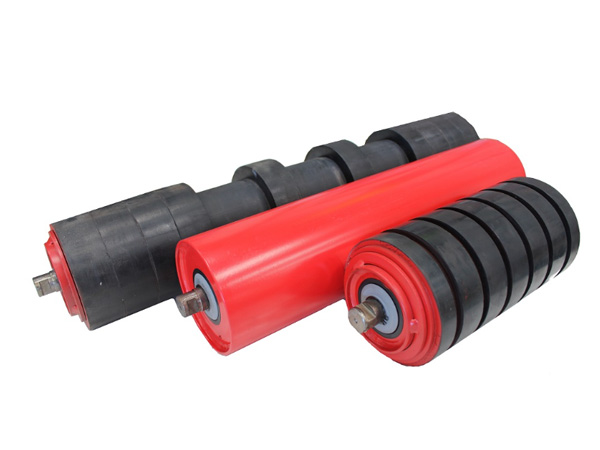
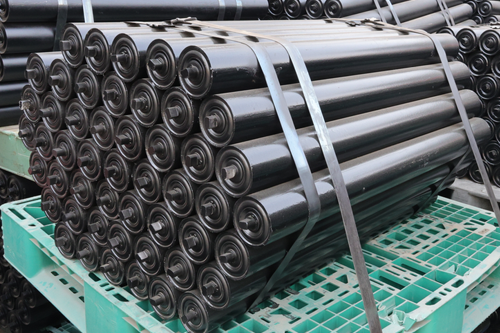
An idler roller is a fundamental part of any conveyor system. It is widely used in industries such as mining, cement, and bulk material handling to support and guide conveyor belts efficiently.
For buyers looking for long-term reliability, sourcing from a professional idler roller manufacturer ensures stable quality, consistent performance, and dependable large-scale production.
This guide will walk you through the basics of idler rollers, including their function, working principle, types, materials, and how to choose the right one.
What an idler roller does
The main role of an idler roller is to support the conveyor belt and the materials being transported. Unlike powered rollers, it does not drive the belt but rotates freely as the belt moves.
Its key functions include:
·Supporting the belt and load weight
·Reducing friction during operation
·Keeping the belt aligned
·Preventing sagging and material spillage
Without properly functioning idler rollers, conveyor systems can suffer from increased wear and reduced efficiency.
How an idler roller works
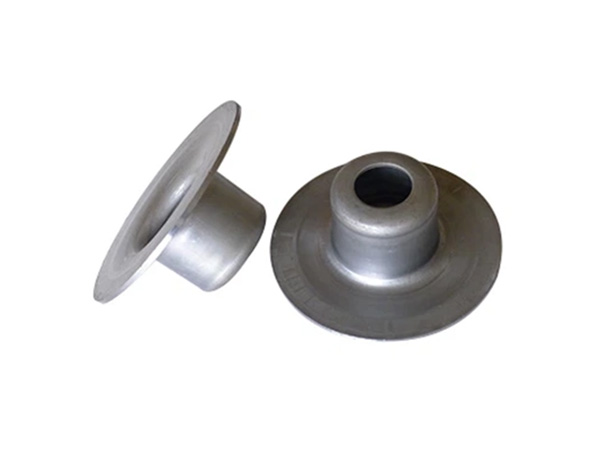
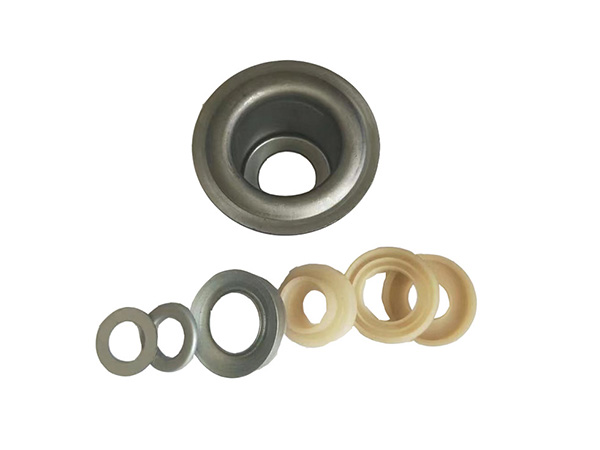
An idler roller is typically made up of a steel tube, shaft, bearings, and sealing components. As the conveyor belt moves, it causes the roller to rotate through contact.
The bearing inside the roller plays a crucial role in ensuring smooth and low-resistance rotation. High-quality rollers often use sealed bearings to improve durability and reduce maintenance.
In modern idler roller production, manufacturers focus on precision balancing, sealing performance, and material strength to meet industrial demands.
Common types of idler rollers
There are several types of idler rollers designed for different functions within a conveyor system.
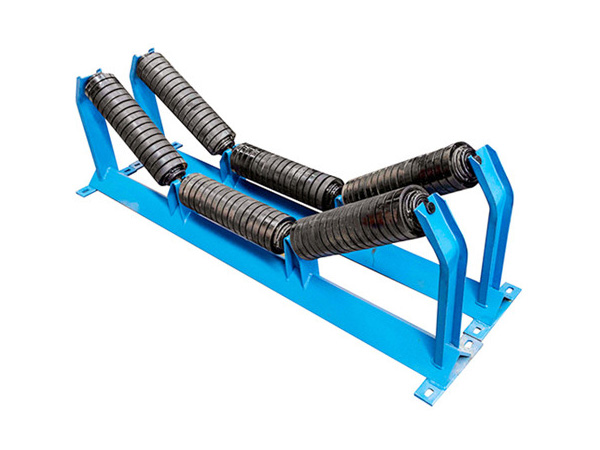
Carrying idlers are used to support the loaded belt and are often arranged in a trough shape.
Return idlers are placed on the underside to support the empty belt as it returns.
Impact idlers are installed at loading points and are equipped with rubber rings to absorb shock.
Self-aligning idlers are designed to automatically adjust and keep the belt running in the correct position.
Each type of idler roller serves a specific role, making correct selection important for system performance.
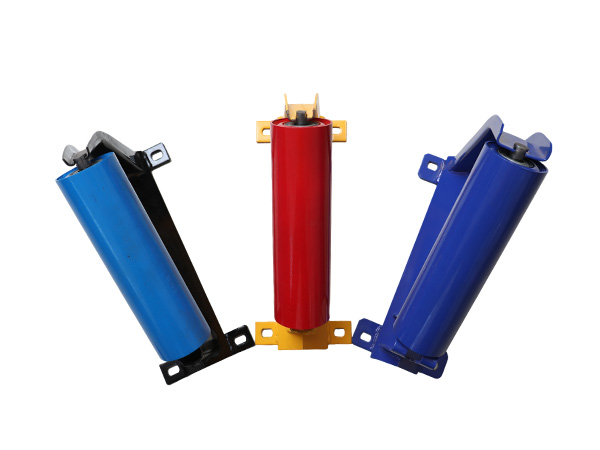
Materials used in idler rollers
The materials used in an idler roller directly affect its performance and lifespan.
Common options include:
·Steel, known for its strength and durability
·HDPE, which is lightweight and corrosion-resistant
·Rubber-coated rollers, which help reduce noise and absorb impact
For heavy-duty applications like mining, steel idler rollers are typically the preferred choice.
Where idler rollers are used
Idler rollers are widely applied in many industries, including:
·Mining and quarry operations
·Cement manufacturing plants
·Power generation facilities
·Bulk material handling systems
·Ports and logistics centers
In these environments, conveyor systems often operate continuously, making reliable idler rollers essential for efficiency and cost control.
How to choose the right idler roller
Choosing the right idler roller depends on several factors.
Load capacity is one of the most important considerations, as the roller must support both the belt and material weight.
The diameter and length should match the conveyor design and belt width.
Bearing quality is also critical, as it affects rotation smoothness and service life.
Environmental conditions such as dust, moisture, and corrosion should also be taken into account.
For large projects, working with suppliers that offer bulk idler roller supply can help ensure consistency while reducing procurement costs.
Why idler roller quality matters
Using low-quality idler rollers can lead to multiple operational problems, including higher energy consumption, belt misalignment, and frequent maintenance.
On the other hand, high-quality idler rollers improve efficiency, reduce downtime, and extend the lifespan of the entire conveyor system.
This is why many buyers prefer working directly with experienced manufacturers that specialize in conveyor component production.
Final thoughts on idler roller selection
The idler roller is a simple but critical component that directly impacts conveyor performance. Understanding its function, types, and selection criteria helps ensure smoother operations and lower long-term costs.
Whether for mining, cement, or industrial transport systems, choosing the right idler roller is essential. Partnering with a reliable manufacturer with strong production capabilities can provide stable supply and consistent product quality for your business.
References
GB/T 7714:Woodcock C R, Mason J S. Bulk solids handling: an introduction to the practice and technology[M]. Springer Science & Business Media, 2012.
MLA:Woodcock, C. R., and J. S. Mason. Bulk solids handling: an introduction to the practice and technology. Springer Science & Business Media, 2012.
APA:Woodcock, C. R., & Mason, J. S. (2012). Bulk solids handling: an introduction to the practice and technology. Springer Science & Business Media.

Contact Us
Tel:8615031765579
WhatsApp:+8615031765579
E-mail:905675277@qq.com
Add:Likou Village, Chenzhuang Town, Xian County, Hebei Province, China
Url:https://www.yxidlerrollers.com