







- Site Navigation -
Complete Conveyor Roller Solutions for Industrial Systems
Author:yuexing Date:2026-05-12 16:00:43 Hits:71
Integrated Conveyor Roller Systems Define Industrial Efficiency
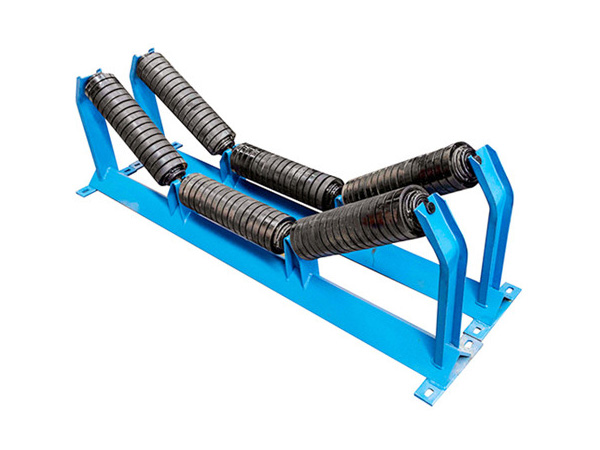
Modern conveyor solutions rely on a combination of drive rollers, idler rollers, return rollers, and support structures. Each component plays a specific role in ensuring smooth material handling across industrial environments. The system is designed to minimize manual handling and maximize throughput.
System Design Balances Power and Support
A well-designed conveyor system separates power generation (drive rollers) from load support (idler rollers). This separation ensures mechanical efficiency and reduces stress concentration on individual components.
Roller Types Serve Different Functional Roles
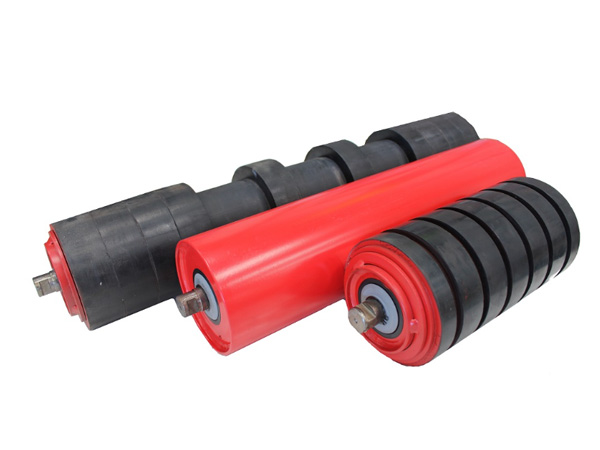
Drive rollers provide motion, idlers support load, return rollers manage belt return paths, and snub rollers adjust belt tension. Each roller type is engineered for a specific mechanical function within the system.
Load Handling Efficiency Improves Productivity
Properly engineered conveyor systems distribute load evenly across multiple rollers. This reduces wear and improves energy efficiency, allowing continuous operation in high-demand environments.
Material Selection Impacts Durability
Steel, rubber-coated steel, and polymer materials are commonly used depending on application requirements. Material selection influences wear resistance, noise levels, and system longevity.
Automation Integration Enhances System Performance
Modern conveyor solutions are often integrated with sensors and automated controls. These systems monitor speed, load, and alignment, improving operational precision and reducing downtime.
Maintenance Strategy Ensures Long-Term Operation
Preventive maintenance is essential for conveyor reliability. Regular inspection of rollers, bearings, and belts prevents unexpected failures and extends system lifespan.
Optimization Improves Energy Efficiency
Efficient conveyor systems reduce unnecessary friction and power loss. Proper roller alignment and spacing play a major role in minimizing energy consumption.
conveyor solutions
References
CEMA Belt Conveyors for Bulk Materials
Roberts, A.W. Bulk Solid Handling Systems Design
Jonkers, G. Industrial Conveyor Engineering Principles

Contact Us
Tel:8615031765579
WhatsApp:+8615031765579
E-mail:905675277@qq.com
Add:Likou Village, Chenzhuang Town, Xian County, Hebei Province, China
Url:https://www.yxidlerrollers.com