







- Site Navigation -
Special requirements for idlers used in coal mines
Author:yuexing Date:2026-03-13 16:59:50 Hits:160
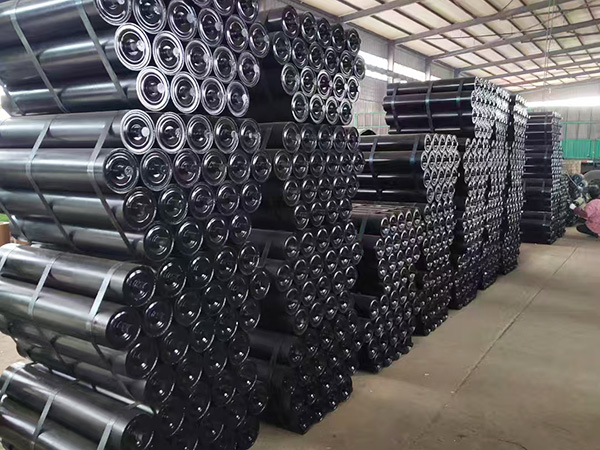
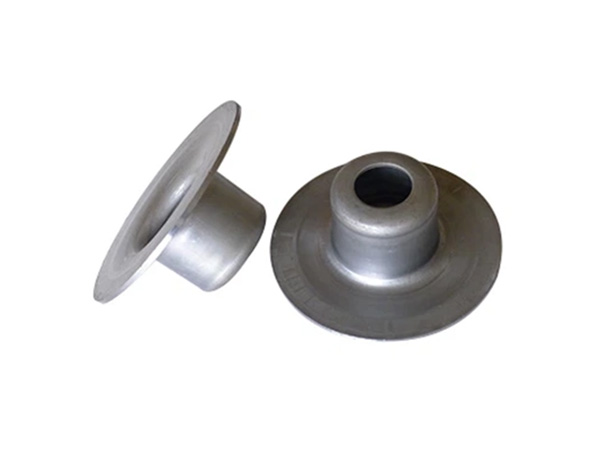
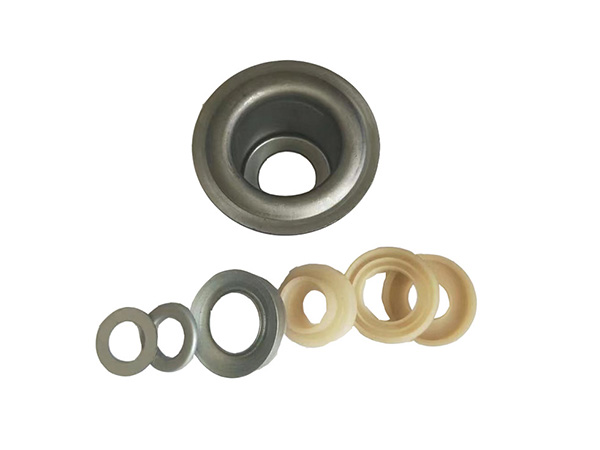
Roller for coal mine must meet the compulsory standards of industries such as MT821, and must have flame retardant and antistatic properties, and the surface resistance and combustion performance meet the standards, so as to prevent the risk of gas and coal dust explosion caused by friction sparks. The seal adopts multi-layer labyrinth structure, with high dustproof and waterproof grade. After running for 200h at 1450r/min, the coal dust invades the grease ≤0.8%, and the water inflow after soaking for 24h is ≤50g, which ensures the stable operation of the bearing in high humidity and dusty environment.
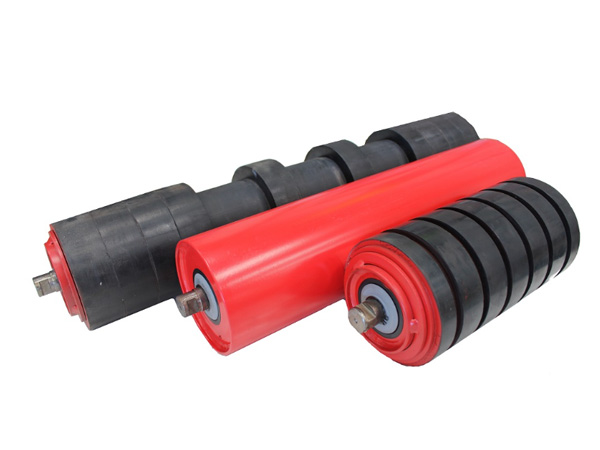
Wear-resistant steel, polymer composite material or ceramic coating are selected for the roller body, the wall thickness is ≥3mm, the hardness is up to standard, and it is suitable for strong wear-resistant materials such as coal gangue to reduce the replacement frequency. The bearing adopts special bearing with large clearance and double seal, with axial movement ≤0.8mm, small rotation resistance and radial runout ≤0.7mm, so as to ensure smooth belt and no deviation.
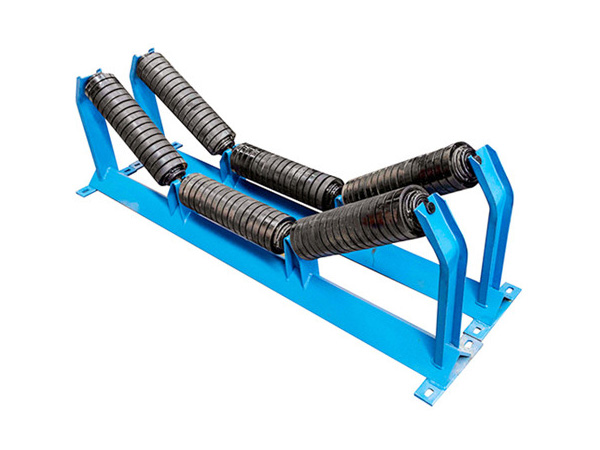
The design life is * * ≥ 30,000 hours * *, and the damage rate is less than 5% during the service life, which is suitable for long-distance, large-capacity and continuous underground transportation system. At the same time, it is required to pass the safety mark certification, and the structure is firm and impact-resistant. Buffer idlers are commonly used in the blanking area to reduce the damage of material impact to the belt and idlers, and fully ensure the safety and efficiency of coal mine transportation.
GB/T 7714:
PYTLIK A.Durability testing of idlers for belt conveyors[J].Journal of Sustainable Mining,2013,12(3):1–7.DOI:10.7424/jsm130301.
APA:
Pytlik,A.(2013).Durability testing of idlers for belt conveyors.Journal of Sustainable Mining,12(3),1–7.https://doi.org/10.7424/jsm130301
MLA:
Pytlik,Andrzej.“Durability Testing of Idlers for Belt Conveyors.”Journal of Sustainable Mining,vol.12,no.3,2013,pp.1–7,doi:10.7424/jsm130301.

Contact Us
Tel:8615031765579
WhatsApp:+8615031765579
E-mail:905675277@qq.com
Add:Likou Village, Chenzhuang Town, Xian County, Hebei Province, China
Url:https://www.yxidlerrollers.com