







- Site Navigation -
Return Idler Roller Function and Applications Guide
Author:yuexing Date:2026-05-09 15:31:43 Hits:120
Supporting the Return Side of Conveyor Belts
A return idler roller is designed to support the empty return side of a conveyor belt after material discharge. While it does not carry load material, it plays a critical role in maintaining belt stability and preventing excessive sagging between support points.
Belt Tension Stability and System Efficiency
Proper tension on the return side ensures smooth operation of the conveyor system. Return idler rollers help distribute tension evenly across the belt, reducing strain on drive components and improving overall system efficiency.
Alignment Control Prevents Belt Drift
One of the key functions of return idler rollers is maintaining belt alignment. Misalignment can lead to edge wear, material spillage, and system inefficiency. Properly positioned rollers guide the belt back into correct tracking paths.
Friction Reduction Extends Belt Lifespan
Return idler rollers minimize contact resistance between the belt and supporting structure. This reduction in friction lowers energy consumption and significantly extends belt service life.
Different Types of Return Idler Rollers
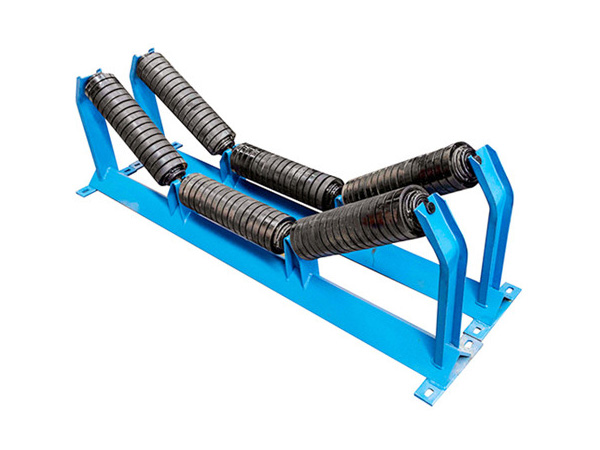
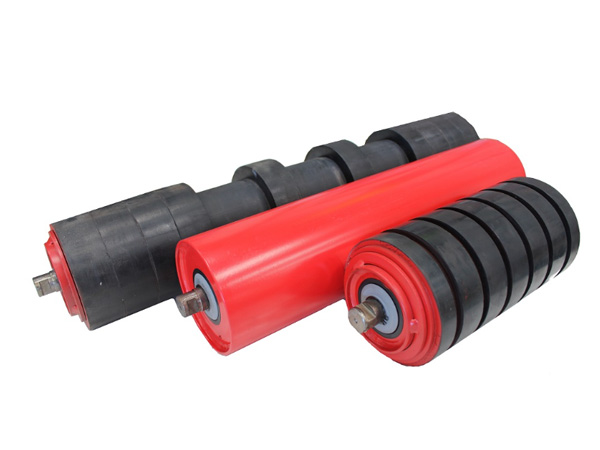
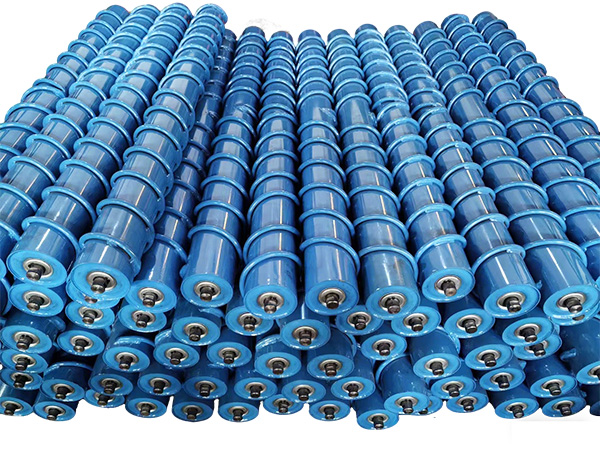
Common configurations include flat return rollers, V-return rollers, and rubber disc return rollers. Each type is selected based on material type, belt width, and operating environment conditions.
Environmental Resistance in Industrial Use
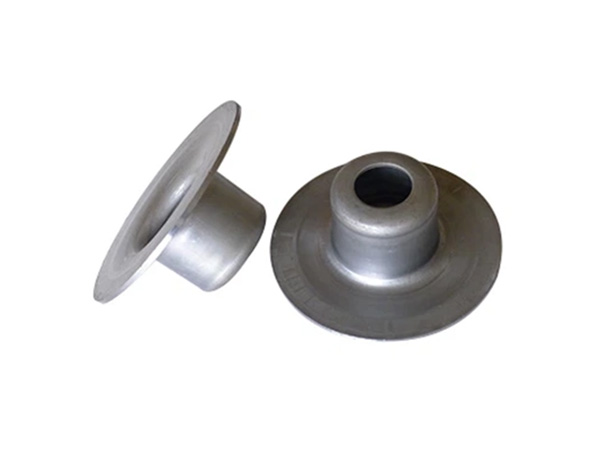
In harsh environments such as mining or cement plants, return idler rollers must resist dust, moisture, and abrasion. Sealed bearings and corrosion-resistant materials are commonly used to ensure durability.
Maintenance Importance for System Reliability
Although passive components, return idler rollers require regular inspection. Bearing failure or surface wear can lead to belt damage and reduced system efficiency.
Application Across Industrial Conveyor Systems
Return idler rollers are widely used in mining, logistics, agriculture, and manufacturing conveyor systems. Their role is essential in ensuring continuous and stable material flow.
References
CEMA Belt Conveyors for Bulk Materials
Roberts, A.W. Bulk Solid Handling Systems
ISO Conveyor System Standards

Contact Us
Tel:8615031765579
WhatsApp:+8615031765579
E-mail:905675277@qq.com
Add:Likou Village, Chenzhuang Town, Xian County, Hebei Province, China
Url:https://www.yxidlerrollers.com