






- Site Navigation -
Drive Roller vs Idler Roller Key Differences Explained
Author:yuexing Date:2026-05-06 12:41:16 Hits:123
Core Function Defines the Fundamental Difference
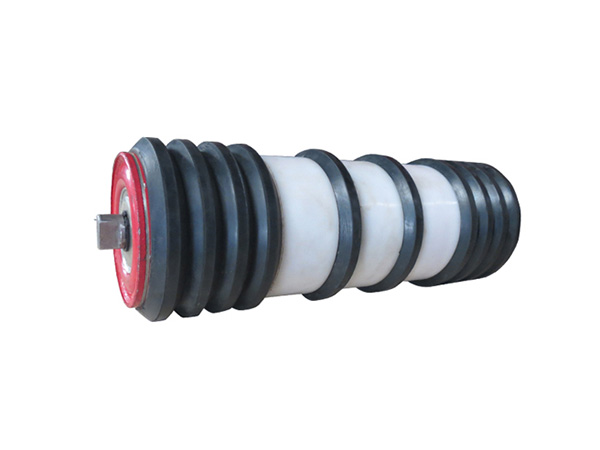
In conveyor engineering, understanding the distinction between a drive roller and an idler roller is essential for system design and performance optimization. A drive roller is actively powered by a motor or gearbox and is responsible for moving the conveyor belt or transported materials. It acts as the primary force-generating component in the system, converting mechanical or electrical energy into motion.
Power Transmission Role in Drive Roller Systems
The drive roller is directly connected to the power source, typically an electric motor. Through gears, belts, or direct coupling, torque is transmitted to the roller surface. This rotational force creates belt movement and determines conveyor speed. The efficiency of a drive roller directly impacts energy consumption and system throughput.
Idler Roller Functions Without Power Input
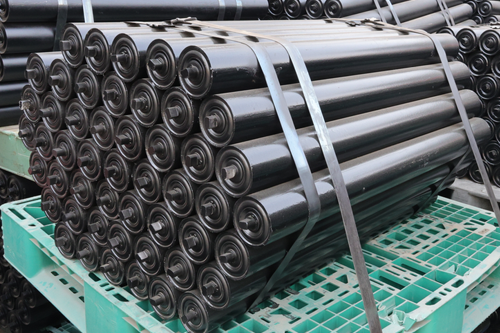
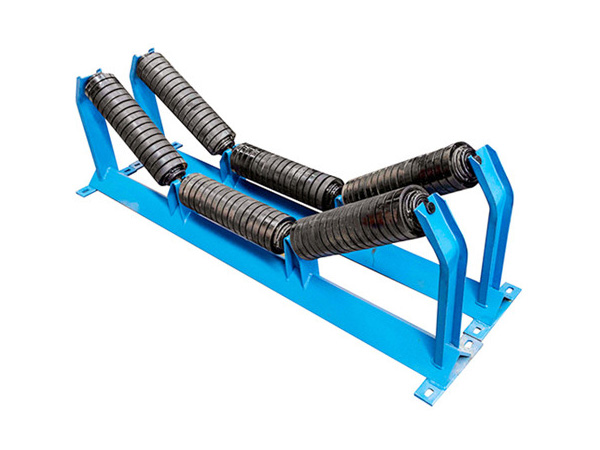
In contrast, idler rollers are passive components. They do not receive power but rotate freely as the belt moves over them. Their primary function is to support the conveyor belt, maintain alignment, and reduce friction. Without idler rollers, belt sagging and misalignment would occur, leading to system instability.
Load Distribution and Structural Support Differences
While the drive roller handles motion generation, idler rollers are responsible for load distribution. They support the weight of transported materials and reduce stress on the belt. This division of labor ensures that no single component is overloaded, improving system durability.
Material Selection and Design Considerations
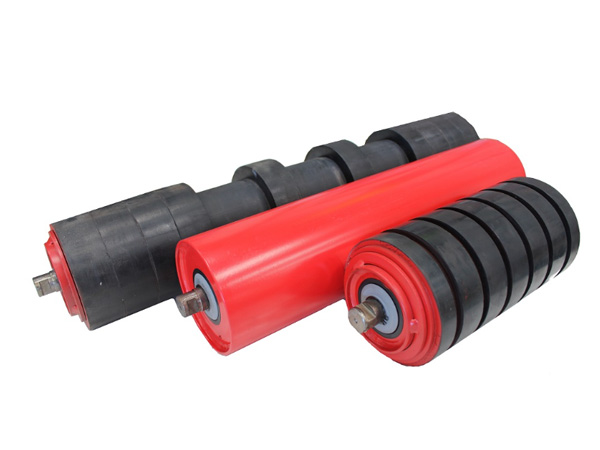
Drive rollers are typically constructed from high-strength steel or rubber-coated materials to handle torque and friction. Idler rollers, on the other hand, focus on low friction and wear resistance. Bearings play a crucial role in both types, but idlers prioritize smooth rotation with minimal resistance.
Application Differences in Industrial Systems
Drive rollers are commonly used in powered conveyor zones such as loading points or incline sections. Idler rollers are distributed along the conveyor length to maintain belt tension and alignment. Both components are essential in mining, logistics, packaging, and manufacturing industries.
Maintenance Requirements and Failure Impact
A failure in a drive roller can stop the entire system, making it a critical component requiring regular inspection. Idler roller failure, while less critical, can still lead to belt wear and misalignment if not addressed promptly.
System Efficiency Depends on Proper Balance
The balance between drive rollers and idler rollers determines overall conveyor efficiency. Proper spacing, alignment, and load distribution are key engineering considerations in system design.
References
Conveyor Equipment Manufacturers Association (CEMA) guidelines
Roberts, A.W. Bulk Solid Handling and Conveying Systems
McGuire, T.R. Conveyor Belt Systems Engineering

Contact Us
Tel:8615031765579
WhatsApp:+8615031765579
E-mail:905675277@qq.com
Add:Likou Village, Chenzhuang Town, Xian County, Hebei Province, China
Url:https://www.yxidlerrollers.com